Acquired in October 2024: Our client wanted to focus its attention on its core operations of energy efficient electrical products including hot water heat pumps and air conditioning equipment. It wanted to sell its smoke alarms division to a company that would carry on its legacy of having a meaningful connection with its customers, and was dedicated to high standards of customer service.
Acquired in April 2024: Our client wanted to retire. He had built up a successful pump testing and hydro geology business over many years and was looking at an exit over the next three years with an immediate exit from the day to day running of the business.
Acquired in September 2023: Sabervox provide a comprehensive range of intelligent, reliable, and flexible cloud solutions and managed IT services for Enterprise, SME, and Service Providers. Our client had plans outside of the business and whilst in no major rush, was motivated to find a buyer for the business.
Acquired in June 2023: The motivation of the vendors was to sell the company to someone who would carry on their legacy of having a meaningful connection with their customers as well as someone that had an existing presence in the space.
Australia’s IT Managed Services sector is a significant and fast-growing part of the business landscape. According to IMARC Group, the Australian managed services market reached approximately AUD $8.5 billion in 2024 and is forecast to grow to around AUD $15.9 billion by 2033 .
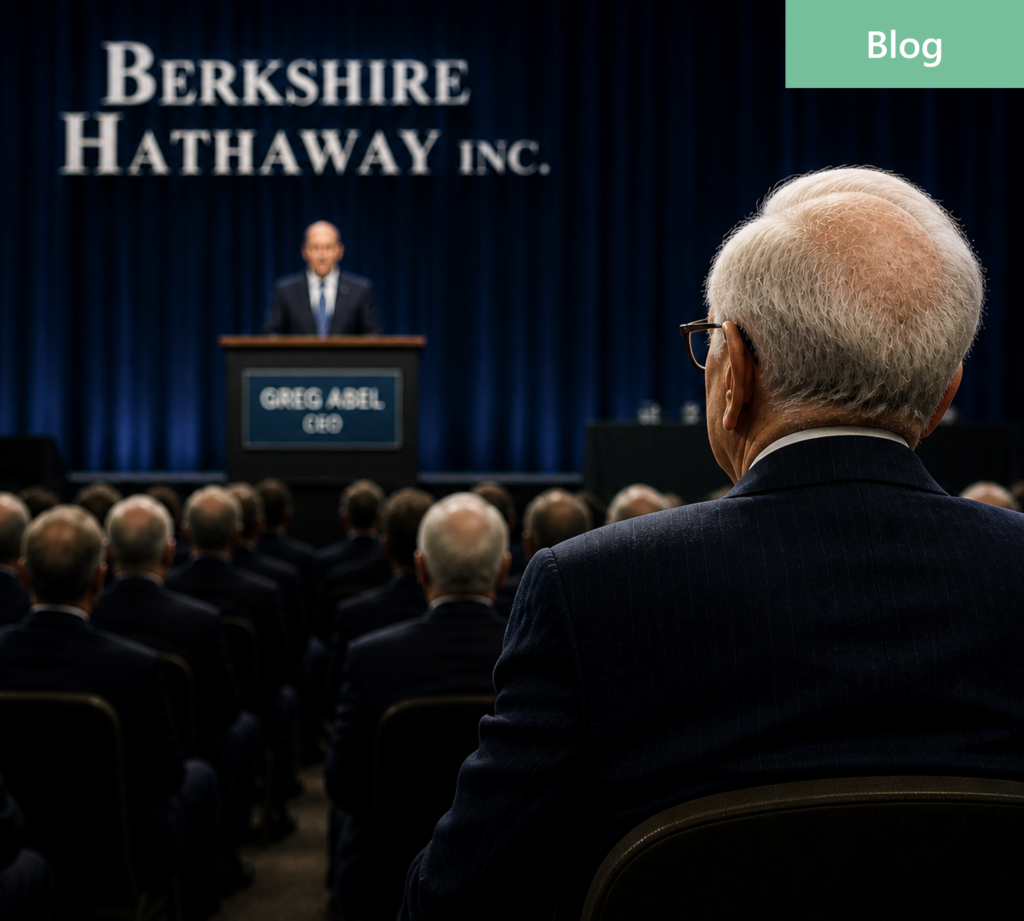
Three weeks ago, in Omaha, Nebraska, something quite extraordinary happened. For the first time in decades, Warren Buffett — the most celebrated investor of our era — sat in the arena as a spectator while someone else ran the show.
The Peter Warren–Wakeling transaction is a textbook example of a well-structured deal caught in the slow lane — not by market conditions, but by the machinery of government approval.
Over nearly four decades advising business owners, one pattern stands out more than any other. The best decisions — the ones that genuinely changed the trajectory of a business — were rarely made by spreadsheet alone.
Australia's commercial cleaning sector is a significant and growing part of the economy. According to IBISWorld, the sector generates over $20 billion in annual revenue, is supported by more than 44,000 businesses, and employs over 209,000 people nationwide.
We recently facilitated the acquisition of IUP by Ambor Structures — and we think this deal says something important, not just about two companies finding a good fit, but about the broader conditions shaping mid-market M&A activity right now.
The deal market remains in good shape as we move further into 2026, despite what most people are predicting as the short-term disruption resulting from the recent geopolitical event in the Middle East.
The Australian skincare sector is booming. Estimated at between $1.65 billion and $3.6 billion depending on the measure, the market is being driven by growing consumer demand for natural and organic ingredients, with Gen Z leading the charge on transparency and sustainability
The Mining Support Services sector is a major part of Australia’s business landscape - worth $14.4 billion in 2025 and employing 38,000 people. The sector as a whole is flat with IBIS predicting modest growth of 1.5% over the next five years, following a recent decline. Volatility remains high, driven by commodity price fluctuations.
Warren Buffett has been influencing the world of investing and business for decades. The annual Berkshire Hathaway letters have become an institution, solidifying Buffett’s status not just as a great investor but as a leading finance and investment writer. Nevertheless, even Buffett has to step aside eventually — and that moment comes at the end of this year, at the age of 95.
Australia’s IT Managed Services sector is a significant and fast-growing part of the business landscape. According to IMARC Group, the Australian managed services market reached approximately AUD $8.5 billion in 2024 and is forecast to grow to around AUD $15.9 billion by 2033 .
Three weeks ago, in Omaha, Nebraska, something quite extraordinary happened. For the first time in decades, Warren Buffett — the most celebrated investor of our era — sat in the arena as a spectator while someone else ran the show.
The Peter Warren–Wakeling transaction is a textbook example of a well-structured deal caught in the slow lane — not by market conditions, but by the machinery of government approval.
Over nearly four decades advising business owners, one pattern stands out more than any other. The best decisions — the ones that genuinely changed the trajectory of a business — were rarely made by spreadsheet alone.