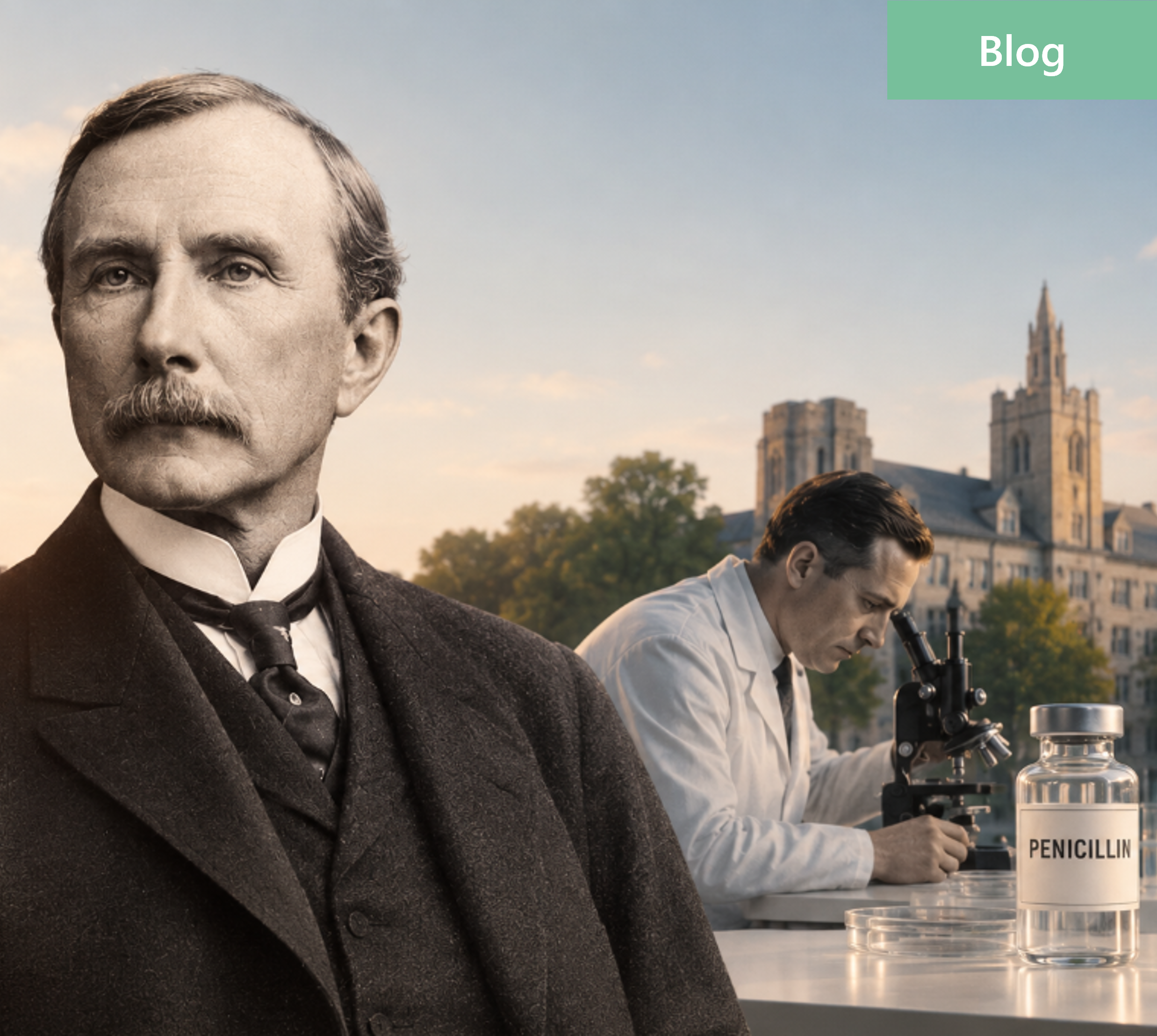
The Peter Warren–Wakeling transaction is a textbook example of a well-structured deal caught in the slow lane — not by market conditions, but by the machinery of government approval.
Over nearly four decades advising business owners, one pattern stands out more than any other. The best decisions — the ones that genuinely changed the trajectory of a business — were rarely made by spreadsheet alone.
Australia's commercial cleaning sector is a significant and growing part of the economy. According to IBISWorld, the sector generates over $20 billion in annual revenue, is supported by more than 44,000 businesses, and employs over 209,000 people nationwide.
The Mining Support Services sector is a major part of Australia’s business landscape - worth $14.4 billion in 2025 and employing 38,000 people. The sector as a whole is flat with IBIS predicting modest growth of 1.5% over the next five years, following a recent decline. Volatility remains high, driven by commodity price fluctuations.
We recently facilitated the acquisition of IUP by Ambor Structures — and we think this deal says something important, not just about two companies finding a good fit, but about the broader conditions shaping mid-market M&A activity right now.
The deal market remains in good shape as we move further into 2026, despite what most people are predicting as the short-term disruption resulting from the recent geopolitical event in the Middle East.
The Australian skincare sector is booming. Estimated at between $1.65 billion and $3.6 billion depending on the measure, the market is being driven by growing consumer demand for natural and organic ingredients, with Gen Z leading the charge on transparency and sustainability
Warren Buffett has been influencing the world of investing and business for decades. The annual Berkshire Hathaway letters have become an institution, solidifying Buffett’s status not just as a great investor but as a leading finance and investment writer. Nevertheless, even Buffett has to step aside eventually — and that moment comes at the end of this year, at the age of 95.
To say we live in a different world at work than the workforce I joined in 1980 is a huge understatement. Many of the changes have been necessary and very welcome. Nevertheless, we are seeing significant and quite rapid increases in the administrative burden with increasing responsibility placed on business, which disproportionality burdens small business.
As one of the last of the baby boomers, born in 1964, and now having been in business for 38 years (anniversary was 21st September), I was reflecting - an activity that seems to be increasing with age! My life expectancy in 1964 was 67.6. To prove the point when I was just 6 my grandfather on my Dad’s side, John McGrath, tragically died suddenly from a heart attack age 66, a few months after retiring!
Richer, Older and Lonelier: How we have changed – an article from the AFR shines a light on the changing attitudes and behaviours of many Australians.
A report out of Melbourne indicates that Australians are working well into their 60’s and delaying retirement. Michael Read in the AFR reported that “in 2003, almost 70 percent of men and close to half of all women aged 60-64 were retired. In 2023 these figures had fallen to 41 percent and 27 percent respectively.”